
A movement, a cult ₹3,999 watch, and the supply chain under both.
Indian watchmaking is moving on three levels at once: a big manufacturer building its own mechanical movement, a microbrand that made a whole country care about a ₹3,999 watch, and a component industry that has been supplying brands for decades.
1. Vetra: Titan builds its own movement
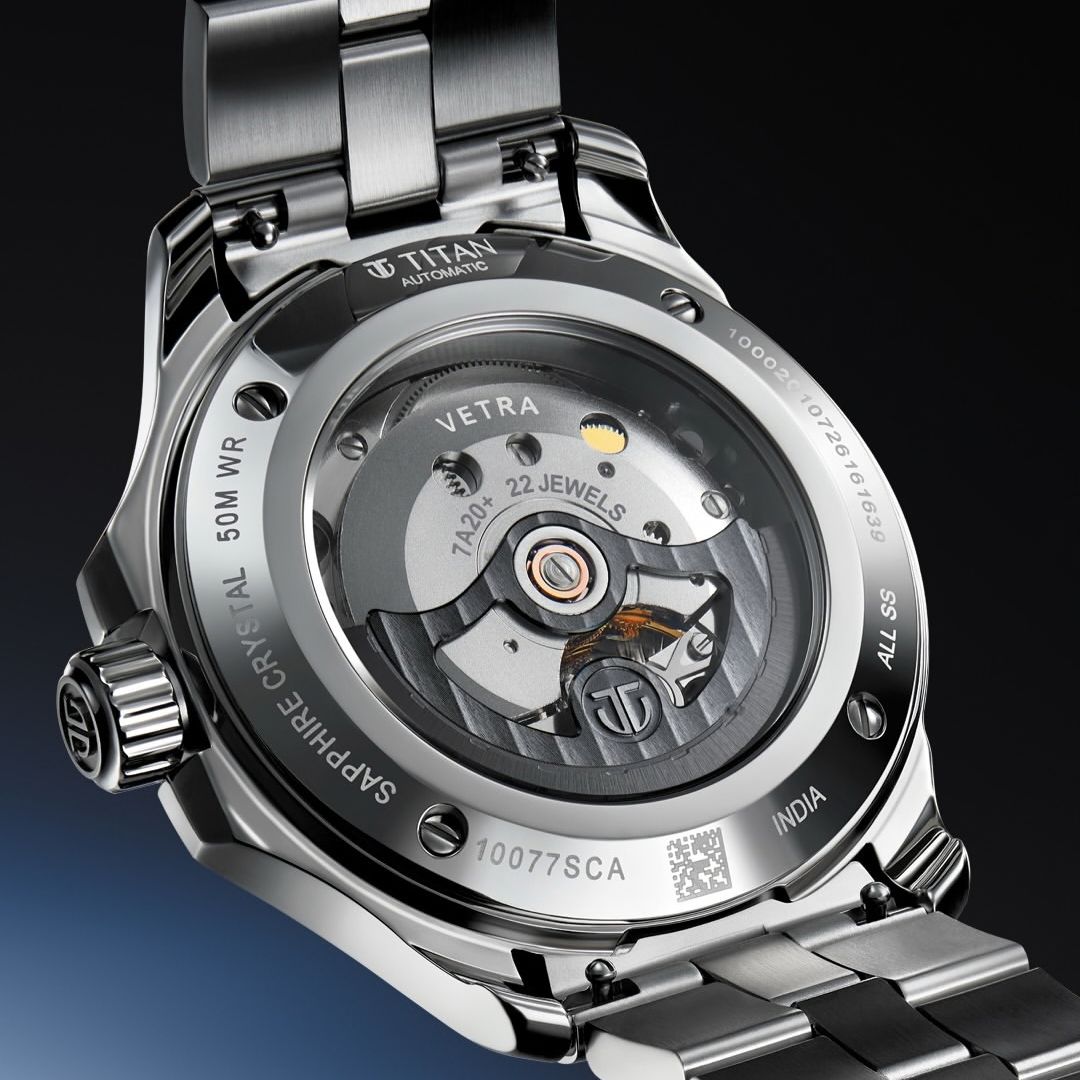
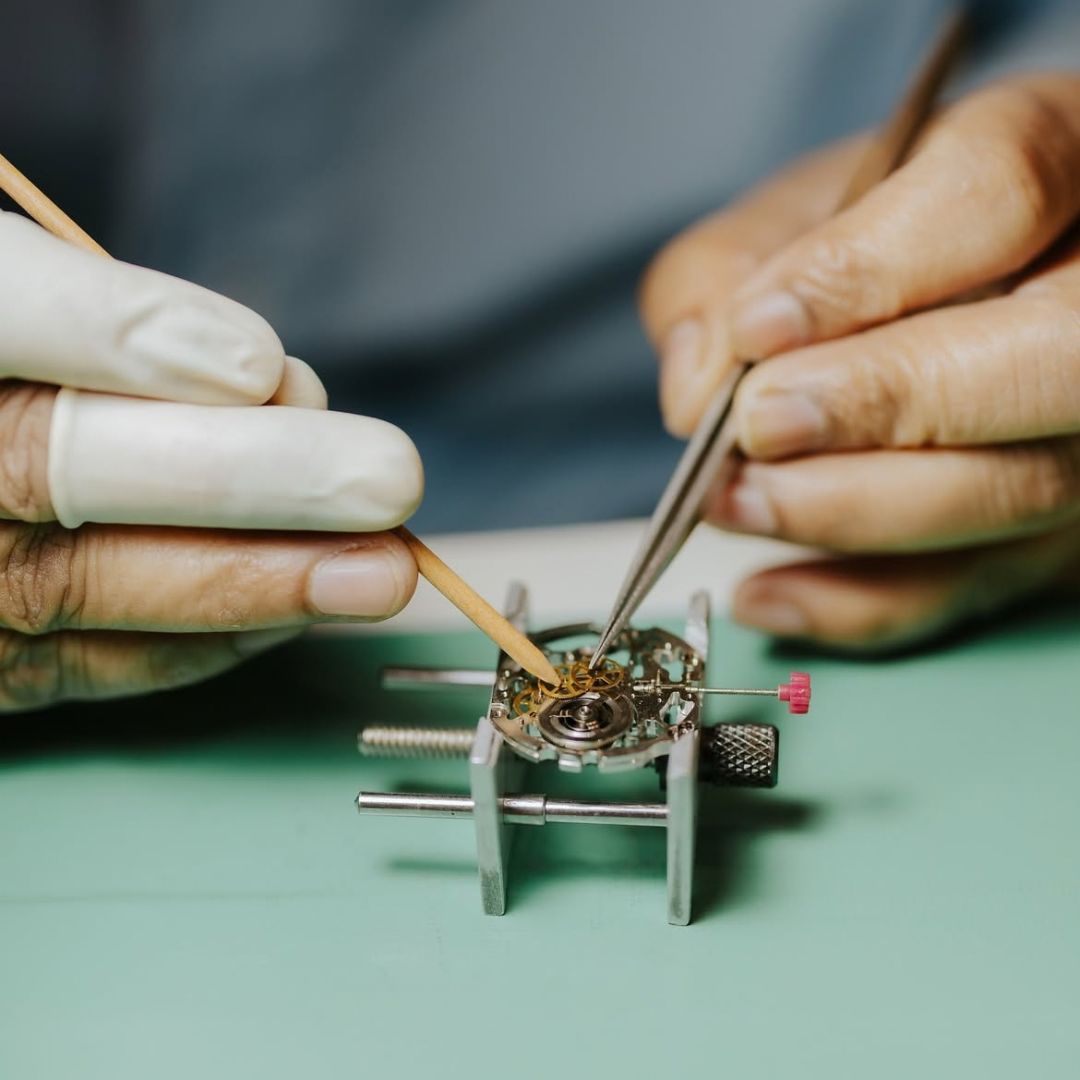
On 18 September 2026, Titan launched Vetra, which it presents as India’s first branded in-house mechanical movement, built at its Hosur facility in Tamil Nadu. The 7A series runs at 3 Hz with 23 jewels and up to 72 hours of power reserve, and is reported to have around 130 parts, roughly 90% of them made in-house. Titan says each movement is hand-assembled and individually tested to NF S 81-513 and ISO 22810.
Images: Titan
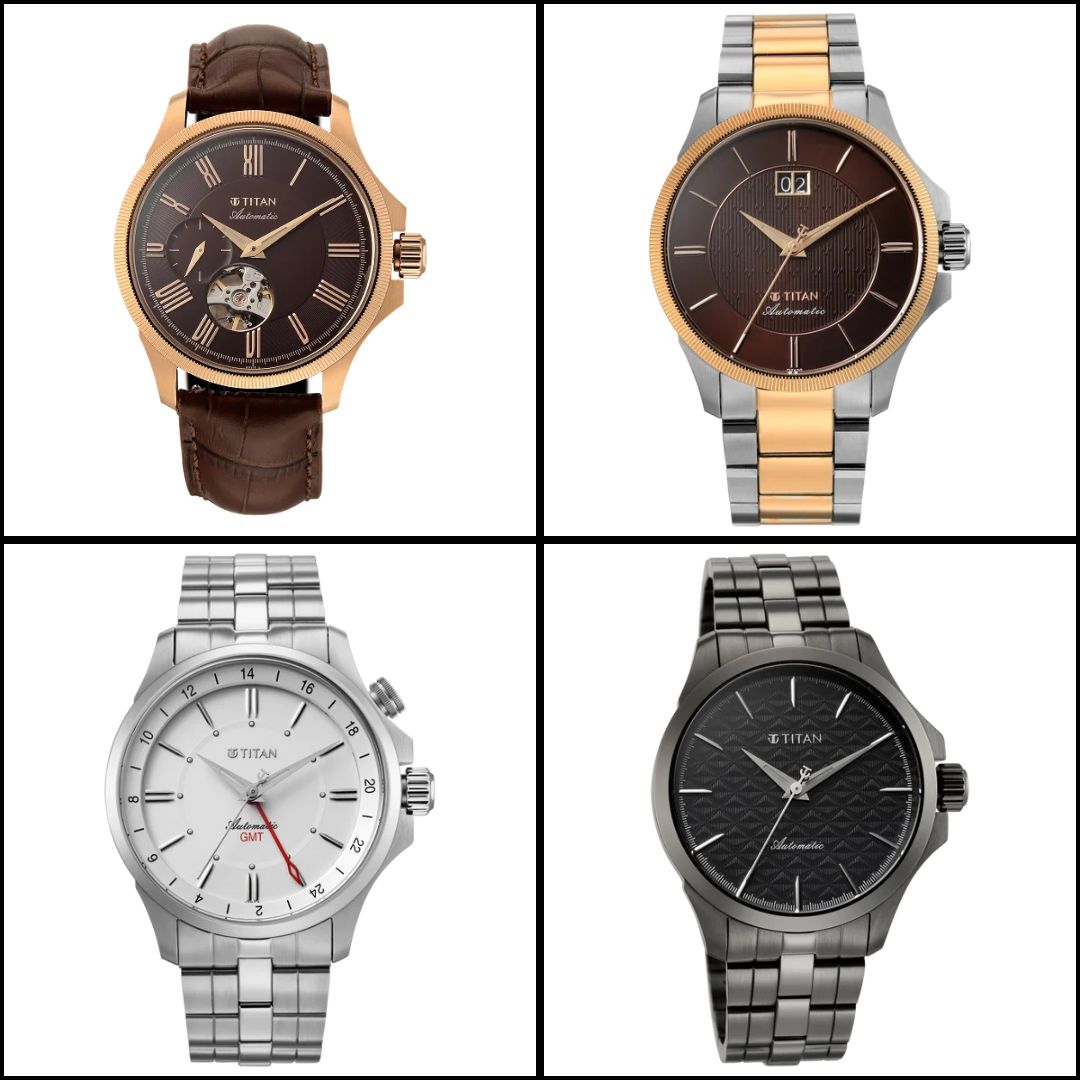
It powers a new Titan Automatics collection of four edits (Infinium, Dualis, Midnite and Atrium), priced from ₹47,995 to ₹54,995 and sold through select Titan World and Helios stores and Titan’s website. The family includes GMT and dual-disc big date versions, and the Atrium’s calibre 7A200-C comes in concealed and open-heart variants. Titan also showed the Edge UltraSlim Mechanical, a 2.2 mm hand-wound calibre with an exposed gear train.
Why it matters: until now India’s celebrated microbrands have mostly bought their movements. A branded calibre, with the testing standards named, changes what an Indian mechanical watch can claim, even if the price puts it well above the microbrand crowd.
2. DWC Terra: the watch everyone knows
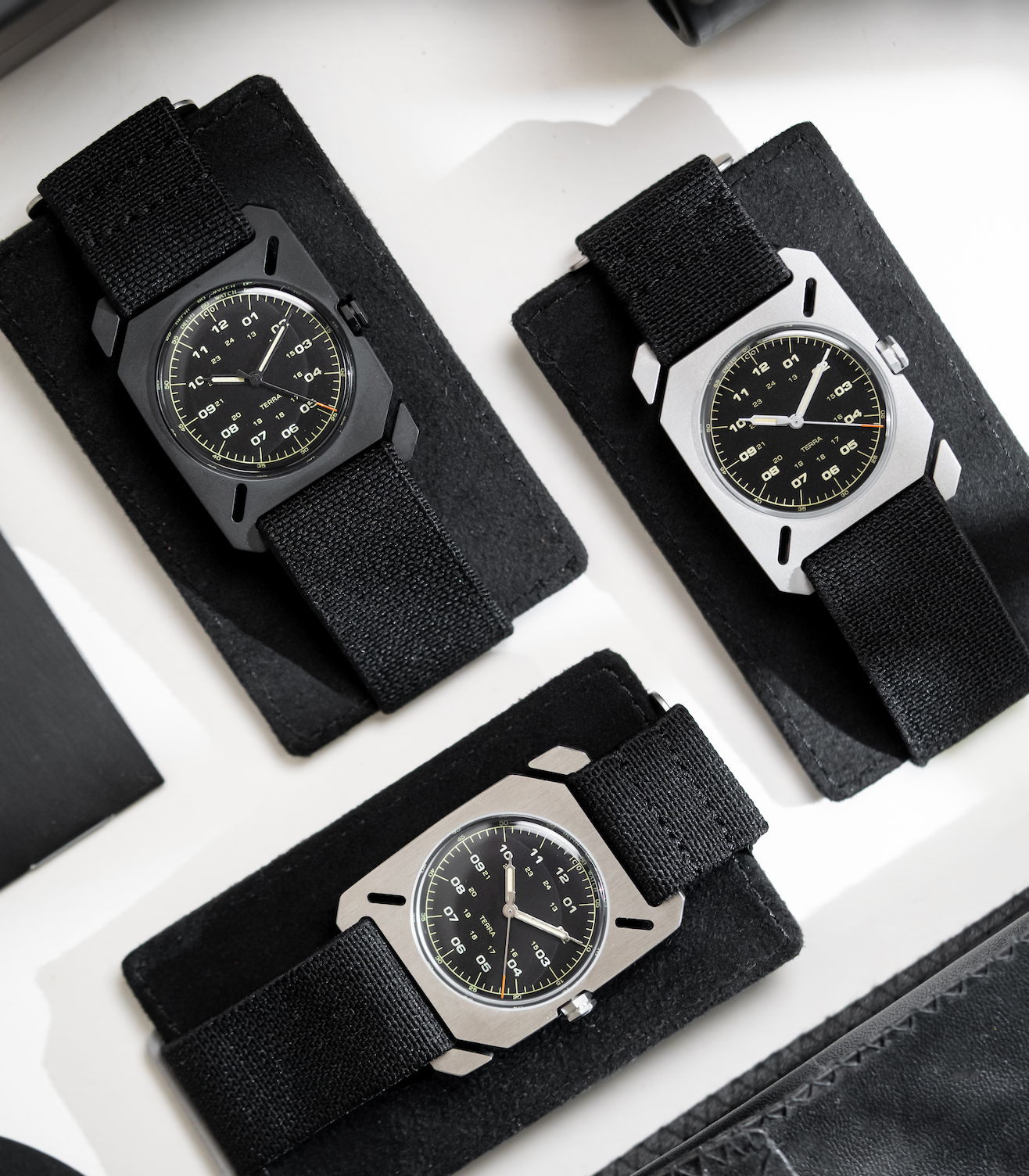
Delhi Watch Company, founded in 2020, made the Terra for its fifth anniversary: a lug-less, carabiner-inspired rectangle, 32 by 44 mm. The titanium version was limited to 5,555 pieces at ₹3,999, with a Miyota GL32 quartz movement, Schott glass instead of sapphire, vintage Japanese lume and a parachute strap. It sold out almost at once and drew coverage from outlets such as Worn & Wound and HiConsumption, which called it among the best sub-$50 everyday watches.
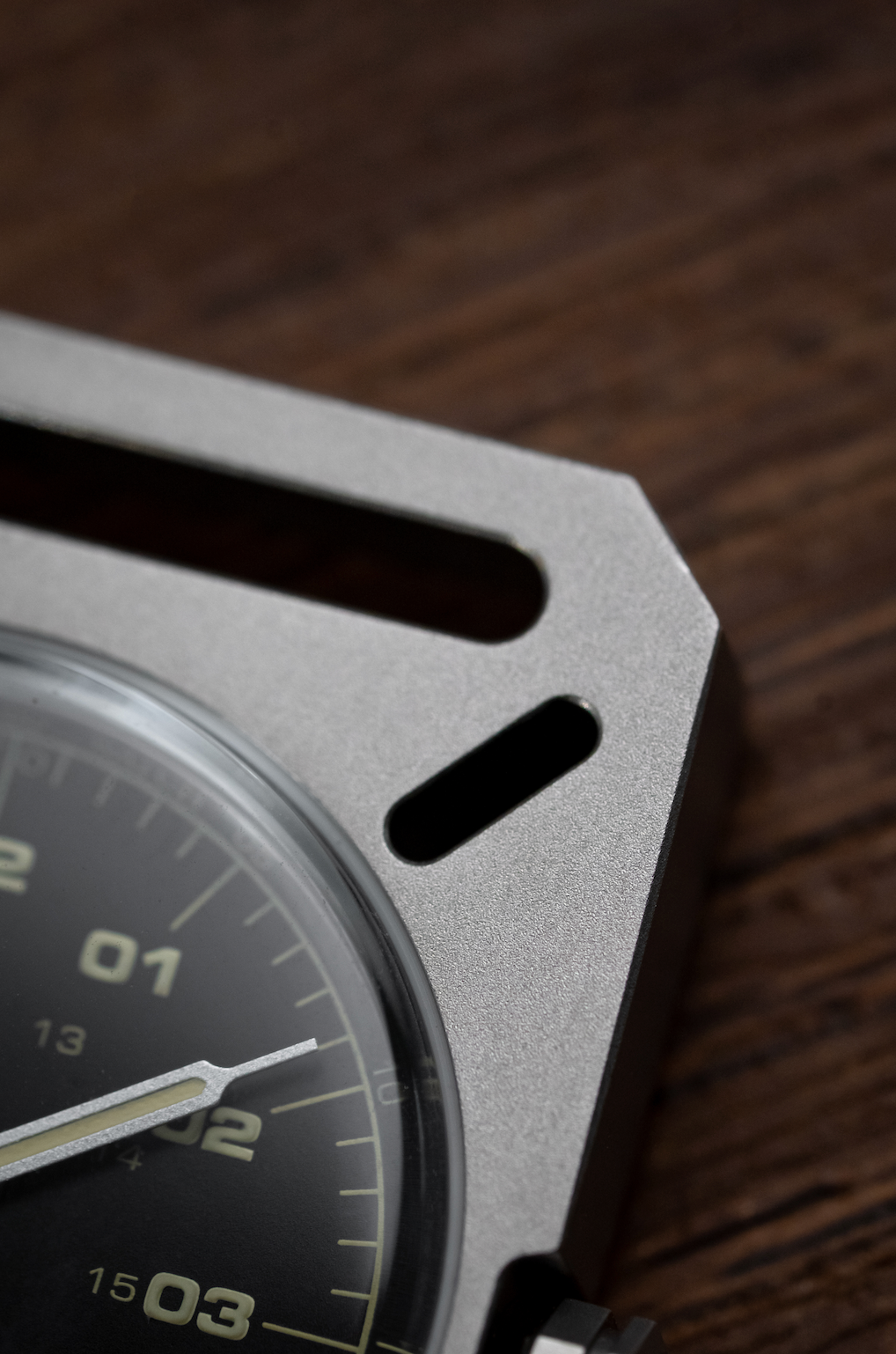
Images: Delhi Watch Company (delhiwatchcompany.com)
Steel versions followed on the brand’s site at ₹4,499 (sandblasted or brushed) and ₹4,999 (black DLC), though pre-orders were closed when we checked. The lesson is the formula: one clear idea, a very low price, and a limited run.
3. The ecosystem under the brands
Indian brands are not starting from zero. KDDL, which makes watch hands and dials, is rated by ICRA as a leading supplier serving a significant share of Swiss watch demand and about all of India’s domestic watch hands market, with clients that include Swatch and TAG Heuer. Bengaluru’s VBL Innovations says it has made over 70 million watch straps for customers worldwide. Brass watch cases, a staple of Indian manufacturing, are made in hubs such as Rajkot and Bengaluru, with makers advertising IGP and IPS finishes for brands in India and abroad.
A note on the claims: we found independent evidence of scale for dials and hands (ICRA). The strap and brass-case figures are company-reported, and we did not find an independent ranking that makes India the world leader in either. We would call them deep, export-ready strengths until a source says more.
4. Stories first, scarcity second
The younger brands lead with places and memories: Avarth’s sundials and clock towers, Coromandel’s Tanjore bronze, IST 1947’s Konark wheel and cricket nights, Ahmedabad Watch Company’s ancient city name. The Hindu describes the same shift: small batches, imported movements, designs rooted in Indian histories, at prices from about ₹1,500 to ₹50,000 and above. Short runs are part of the pitch. Coromandel’s bronze shows sold out, IST 1947 caps each Vijay edition at 100, and Avarth’s Eka was down to a few pieces.
What to watch next: whether Vetra reaches a price that microbrand buyers can touch, whether more brands start making their own parts rather than buying them, and whether the supply chain gets the credit it deserves.
Sources: Deccan Herald, MediaBrief, Chronoholic and other launch reports on Titan Vetra (17 to 23 September 2026); Worn & Wound and HiConsumption reviews of the DWC Terra; Delhi Watch Company product page; ICRA rating reports on KDDL; VBL Innovations website; The Hindu International (12 September 2026); brand websites checked 20 October 2026.

